Why Hotel Brands Are Moving Beyond Co-Located Models
Independent branded residences now offer privacy and prestige without the hotel attached. Here’s how residents are enjoying hotel living sans hotel

A quiet evolution is redefining the landscape of luxury real estate. Across the Asia Pacific, nearly one-third of branded residence developments now operate independently of a hotel and, globally, that figure is even higher, at 36 per cent. What was once a niche offshoot of hospitality has matured into a distinct and compelling category: the standalone, hotel-operated branded residence. Far from diminishing the prestige of the hotel brands behind them, these developments represent the next evolution of the sector, where the cachet, service, and quality assurance of a five-star brand meet a purely residential experience.
Branded residences were once seen as extensions of hotels but, as the market has matured, expectations have shifted. Today’s standalone branded residences deliver what high-net-worth individuals value most: privacy. Freed from shared pools, transient guests, and facilities designed for short-stay travellers, every detail—from spa and wellness spaces, to dedicated concierge services—is crafted for long-term living, with continued alignment to a trusted hotel brand that guarantees quality, service excellence, and enduring value.
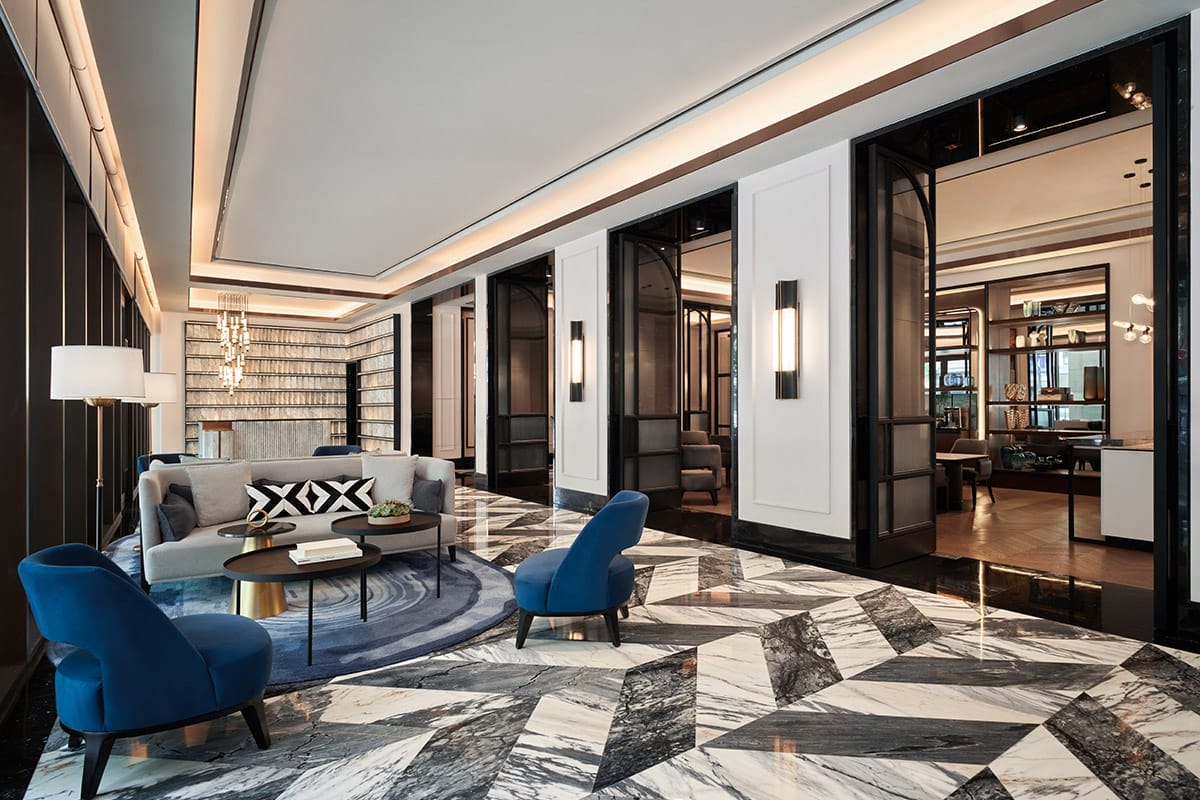
For developers, standalone projects offer greater freedom in design, site selection, and delivery, unencumbered by the operational complexities of hotel management. For hotel brands, they present an opportunity to extend their footprint into prime residential markets, where hotel development may be impractical or economically unfeasible. And, for buyers, these developments combine the comfort and discretion of a private residence with the confidence and quality assurance of a trusted hospitality name. They also tend to occupy the uppermost tier of the market, catering to buyers who are less price-sensitive and seek exclusivity, privacy, and personalised service—even when this comes with higher service charges that reflect the standalone model’s operational standards. In contrast, in co-located and integrated models, service charges are shared between hotel guests and homeowners, reducing individual costs while maintaining access to premium amenities and services.
In Asia Pacific, though standalone branded residences are growing, the dominant form remains the co-located model—developments situated on the same site as an operating hotel—which currently accounts for 46 per cent of projects. This format continues to work well in established resort destinations and markets with strong tourism economies, where hotel infrastructure, guest traffic, and second-home demand create natural synergies between the residential and hospitality components. In such settings, buyers often value the convenience of direct hotel access and the seamless integration of resort amenities, which enhance both lifestyle appeal and rental potential.

The balance, however, is starting to shift. As the sector matures, standalone residences are poised to become the prevailing model, mirroring the trajectory already unfolding in more developed markets such as the Middle East. In the Middle East & North Africa (MENA) region, standalone projects represent 31 per cent of completed developments and an impressive 51 per cent of developments in the pipeline, meaning nearly half of all branded residential projects there will soon be entirely independent of hotels.
Let’s look at some of the recently announced standalone hotel-branded residence projects across Asia Pacific that demonstrate how global luxury brands are leaning into the independent residential model. One of the most significant is the InterContinental Residences Bangkok Asoke, a landmark development and the first standalone branded residence under the InterContinental name globally. The development is a fully residential tower, without any hotel operation on site, designed to deliver InterContinental’s hallmark service, design quality, and prestige exclusively to homeowners rather than hotel guests.
Another key example is The Ritz-Carlton Residences, Hanoi at The Grand, which was announced in 2021. Located in Hanoi’s historic Hoàn Kiếm district, the project comprises 104 ultra-luxury residences that bring The Ritz-Carlton’s celebrated standards of service and design to a wholly residential address.

Other major hospitality names are now pursuing standalone residential projects across the region, reflecting confidence in both the model and its long-term appeal. Their involvement reinforces a central truth: the power of the brand transcends its hotel. The value lies in its promise: impeccable service, elevated design, and the assurance that every aspect of the experience has been crafted to the highest standards.
The rise of standalone branded residences is more than a market evolution—it is a redefinition of luxury itself. It offers homeowners the chance to live within the DNA of a hotel brand while enjoying the autonomy, permanence, and community of true residential living.
By Riyan Itani, Founder of Global Branded Residences
Lead image: The Ritz-Carlton Residences, Hanoi, courtesy of Marriott
You May Also Like