The RuMa Hotel and Residences Introduces 100 Per Cent Happiness With Its New In-House Champagne Billecart-Salmon
The announcement was accompanied by an exquisite tasting menu and insights from Champagne Billecart-Salmon’s managing director Alexandre Bader.

On a balmy Saturday evening, amid Kuala Lumpur’s glittering skyscrapers, the usually tranquil Santai pool bar and lounge at The RuMa Hotel and Residences was abuzz with excitement. Guests of the hotel had turned up for an encounter with Alexandre Bader, managing director of champagne house Billecart-Salmon. Bader, on tour of the Asian region, duly arrived in full pomp, personally uncorking bottles and treating guests to copious pours of their effervescent contents.
“Billecart-Salmon champagne is the wine of love, the wine of happiness,” Bader exclaimed. Against the golden glow of the evening light, he proceeded to clink glasses with guests. In his introduction to Billecart-Salmon’s flagship, Le Rosé, he said: “Champagne in the 1960s was drunk at the end of weddings. It was the last drop before leaving, or before having something different.
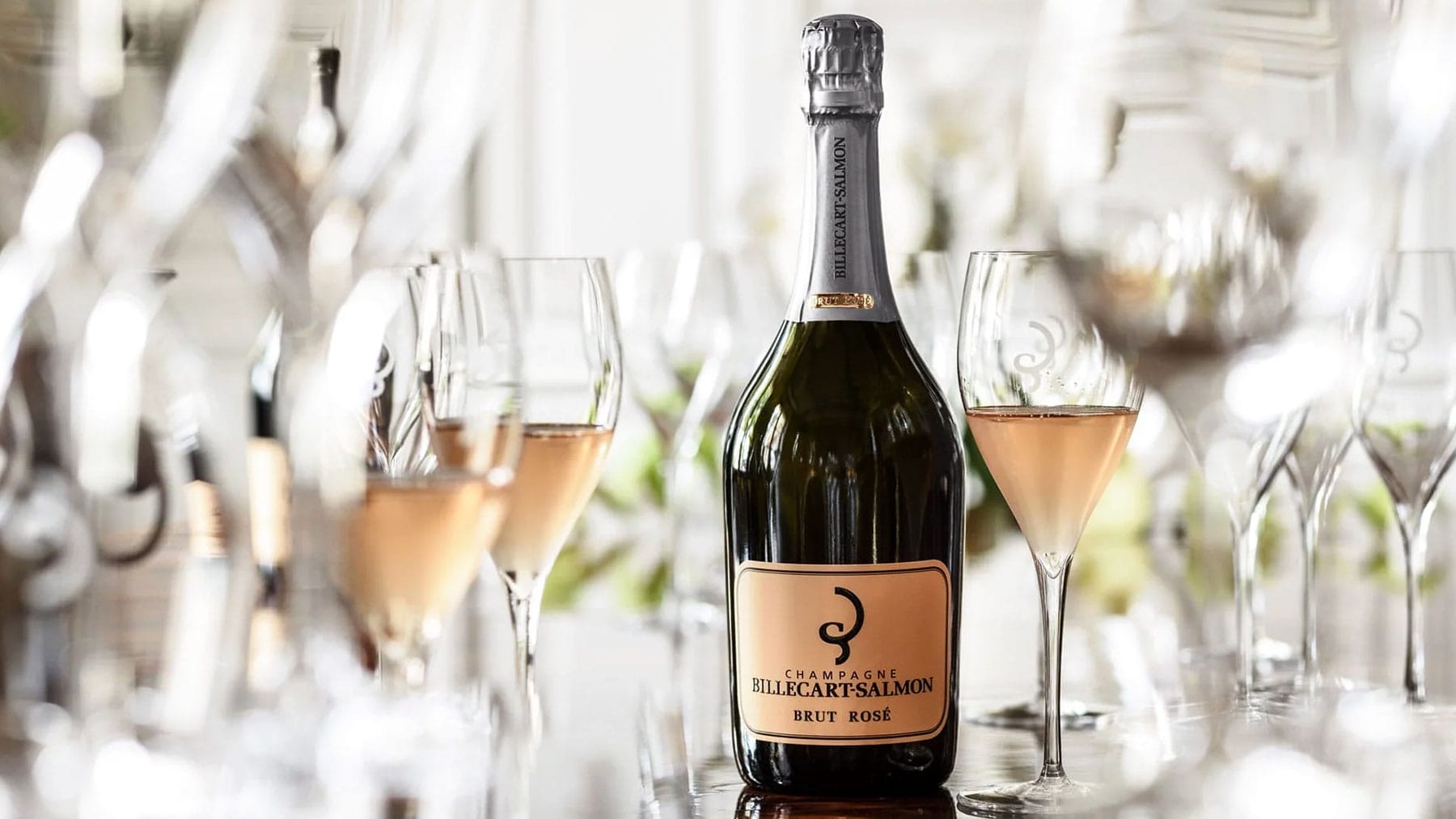
“At the time, and especially in France, rosé had a bad reputation because it was red and white mixed in the maceration stage,” Bader added. However, through the efforts of Jean Roland-Billecart—the sixth generation of the family—the process moved away from the maceration mix and instead blended a combination of chardonnay, pinot meunier, and pinot noir, creating a rosé cuvée that even looked different.


“First is the quality, a blend of seven to eight per cent of red, blended into the white wine—a recipe by Jean Roland-Billecart in 1969,” Bader explained. The optical result is what he described as “lighter pink, a very shy pink—not too much red”. It was an obvious counterpoint to the macerated mixes that were closer to red. Add this to the fact that the grapes were sourced from some of the best grand crus of Mareuil-sur-Aÿ and its surrounding villages, a lighter dosage (less than 6 g) and, as Bader stressed, “no oak”, which gives Le Rosé a brighter and fresher flavour.
To change the perceptions of restaurants that were ambivalent about the idea of serving or selling any rosé, Billecart-Salmon had, in the 1990s and close to the brink of bankruptcy, offered bottles of its rosé on consignment to 20 of Europe’s top restaurants. “It was the beginning of the story and it was this wine that saved the house,” Bader said. From there, Billecart-Salmon’s Brut Rosé—later renamed Le Rosé—would attain its status, becoming the maison’s flagship and the most famous rosé in the world. “I fell in love with Billecart-Salmon because of its rosé,” Bader shared.
At the modish Atas restaurant of The RuMa Hotel, the evening’s Billecart-Salmon journey segued into a five-course tasting menu curated by executive chef Suhaimi Tasir. Five distinct Billecart-Salmon champagnes were paired, one to each course, with Le Rosé making its reappearance at the evening’s close, paired with a pandan parfait, honey strawberry compote, mascarpone Chantilly, and coconut sorbet.


The first of the Billecart-Salmon champagnes to debut on the dinner table, however, was its Le Réserve, with its aromatic fruit and subtle biscuit flavour profile. These tasting notes were paired with a Blue Swimmer crab salad and an exotic medley of green papaya, calamansi, and coriander.
For the second act, Le Blanc de Blancs offered a bouquet of brioche, fresh butter, and white flowers as an accompaniment to a Hokkaido scallop crudo accented by kaffir lime. “Tasting chardonnay like this gives you the ‘purest purity’ from the chalky soils of the four villages—Chouilly, Mailly, Cramant, and Mesnil-sur-Oger,” Bader said. He then directed guests to observe the ID number on the label, a six-digit code that the champagne maker has added to the back of all of its non-vintage cuvées, describing the grape varieties used, the base vintages, as well as dosage and disgorgement dates.
For the evening’s third wine, Bader unveiled the Nicolas François 2012. This champagne, named after the maison’s founder, was described by Bader as one of the best vintages ever produced by Billecart-Salmon in the past 50 years. “It is very difficult to taste the 2012 today because we have sold out of this vintage,” he remarked. To go with the wine’s flavours of honeyed biscuits, lemon pulp, and pastry, the Atas kitchen proposed a butter-poached Canadian lobster with morel mushrooms and ginger chips.
Next came the steamed Atlantic cod with a ginger torch broth, paired with the Louis Salmon, also from the 2012 vintage. Its long ageing on the lees, for 115 months, confers extra ageing potential. “The year 2012 was huge for us—a really top vintage year,” Bader stated.


“What is a top vintage? A wine that you can keep for 30 to 40 years with a nose that is a rhapsody of happiness,” he continued. In the Louis Salmon of 2012, Bader was effusive about its architecture, which leads to such a unique profile of citrus candied mandarin, limoncello, raw butter, and pears on the nose, with a zesty creaminess of almond biscuit, white pepper, and vanilla cream puffs on the palate.
“This is five times of 100 per cent,” Bader said with his signature smile. “Its chardonnay is 100 per cent Côte des Blancs, 100 per cent grand cru, 100 per cent long ageing, 100 per cent extra brut, and 100 per cent happiness.”
The RuMa Hotel and Residences | Champagne Billecart-Salmon
Photos courtesy of The RuMa Hotel and Residences
You May Also Like