Sushi Hibiki Unveiled The Essential Beauty Of Kyoto-Made Sake
Echo In The Night Vol.33 showcased water, sake, artisans, and culinary delights flown in from Japan’s ancient capital.

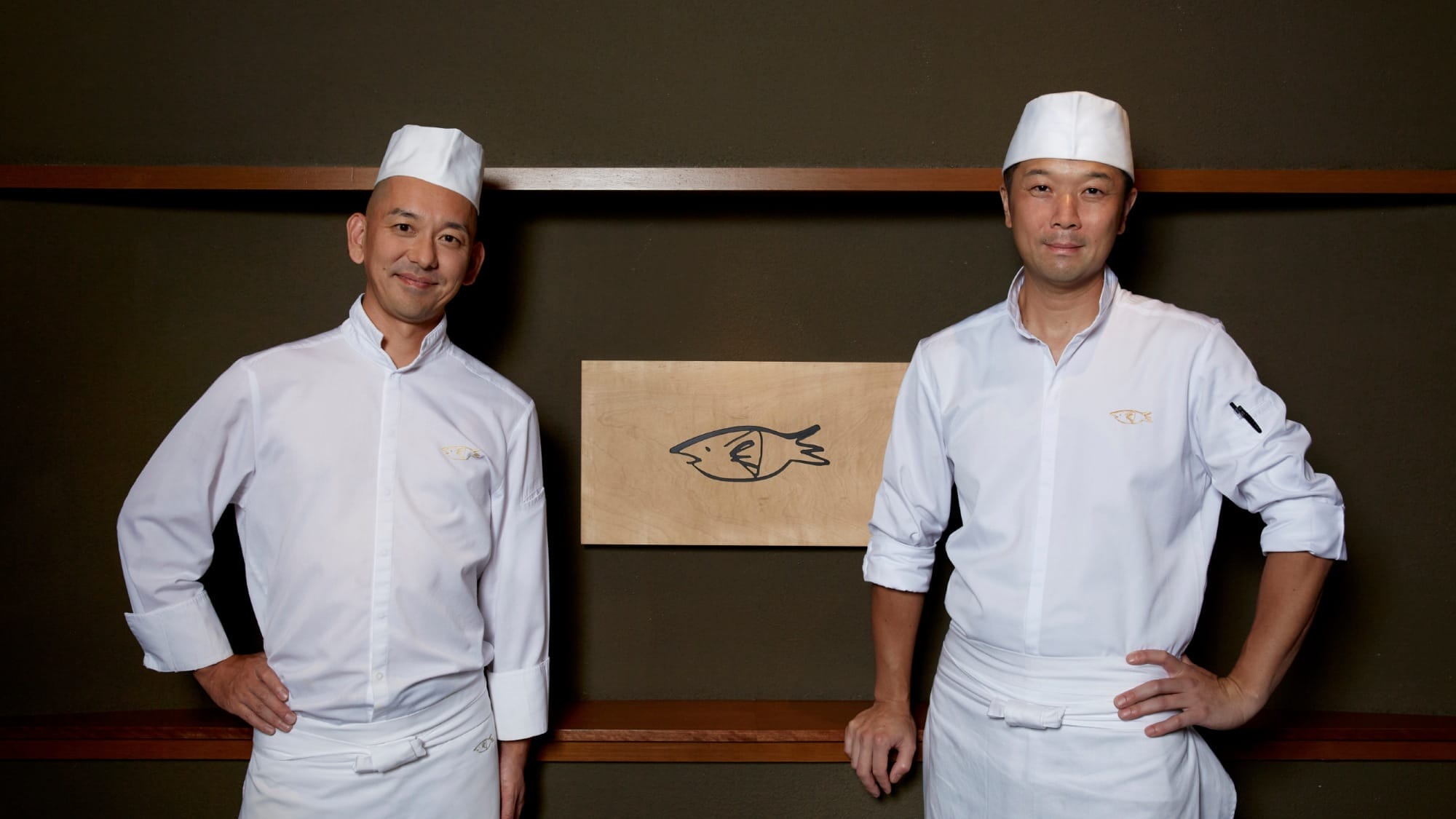
With the record-breaking numbers of tourists overcrowding Japan right now, it can be difficult to appreciate the preciousness of Kyoto: sacred shrines, centuries-old temples, natural beauty, regional ingredients, uniquely local cuisine, quirky dialect and slang, artisanal craftsmanship, and, something that is even easier to be overlooked, water. “Kyoto has such beautiful water,” said chef Makoto Saito Sam, owner-chef of Sushi Hibiki and Sakana Japanese Dining, as well as a Japanese Cuisine Goodwill Ambassador, during Echo In The Night Vol.33. “Tonight, we’d like you to try it and to taste the differences between it and other high-quality water. In fact, we’ve flown in several litres of water from Kyoto.”


They’re subtle, but the differences are noticeable once you’ve paused, set yourself to be present in the moment, and endeavoured to really taste the water. Water from Kyoto is often said to be remarkably soft, with an elegant texture and crystal-clear clarity, according to chef Sam. Just one sip of it transported me to Japan’s ancient capital, ‘bathing’ in the forests of Fushimi and enjoying life one step at a time. This precious water was used in crafting the night’s menu, as well as each of the sake that masterfully complemented it from appetiser to dessert.


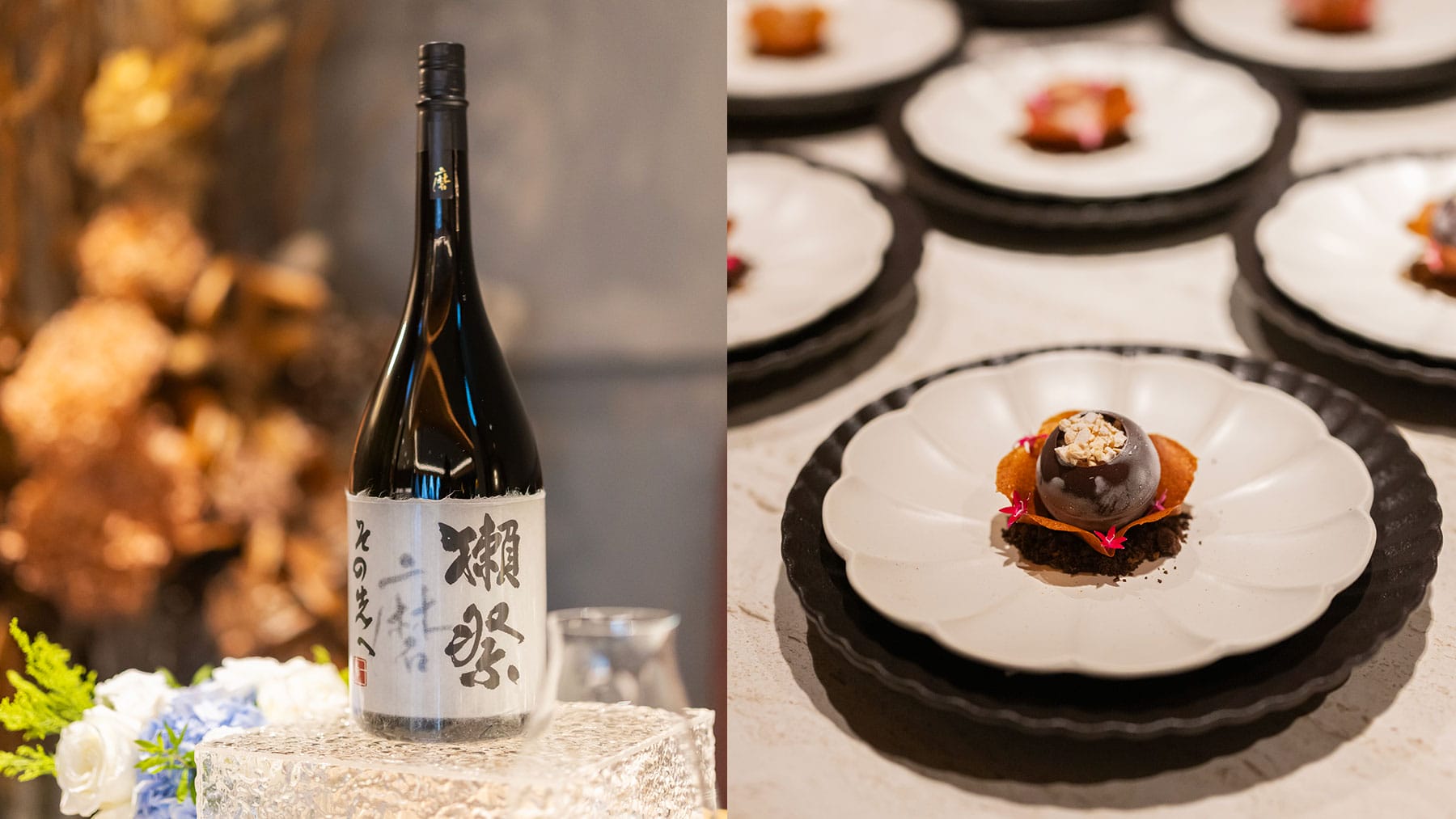
Echo In The Night Vol. 33 was named Essence of Kyoto Water, and it was deliciously showcased through the dishes and the sake, all of which were brewed in Kyoto prefecture. Adding even more substance, authenticity, and merriment to the night’s proceedings was the presence of a spokesperson from each brewery, who introduced the sake we drank, their brewery, and what makes both so special—all with the translation help of David Suen, from Tani Shoten. In between courses, Suen also provided a sake mini-masterclass to patrons, who included Shikata Noriyuki, Japanese ambassador to Malaysia. Suen covered topics as diverse and in-depth as rice polishing ratios, differing rice grains, and sake meter values, among many.


The night’s proceedings awakened with the appetiser course, featuring a multicoloured spectrum of spring ingredients and specialties from Kyoto, all savoured with Matsuya Kyubee Junmai Daiginjo from Kinshimasamune brewery. All were bright flavours for the entire palate, with the sake’s fruity notes and smooth profile sparking joy. Then, chef Sam demonstrated his shokunin (職人; craftsman) prowess via the sushi and sashimi courses, before an unusual combo piqued our curiosity. Shogoin daikon was served in a blazingly hot stone ember with tairagai (Japanese pen shell), which came with Junmai Nigori sparkling sake from Tsukinokatsura brewery. Once the dish’s temperature cooled to a much more manageable degree, its mouthfeel was mysterious yet brilliant all at once. The sparkling sake, though, inspired plenty of questions and requests for a refill. Junichi Masuda, the 15th-generation CEO and president of the 350-year-old Tsukinokatsura brewery, explained that Junmai Nigori was first created in 1964, and achieves its champagne-esque sensation by filtering the moromi (fermentation mash) through a colander, and then bottling the sake in the middle of fermentation. This means that fermentation continues even while it’s in the bottle, which results in the bubbly, sparkling, wondrous delights. Sound familiar?


Echo In The Night Vol.33 then proceeded with unforgettable highlights such as grilled iwashi fish; Inaniwa Udon with sudachi (a type of Japanese citrus); and Horikawa Gobo tempura, which chef Sam explained is grown by the ‘god of gobo producers’ Otokawa-san and is extremely rare, even for high-end restaurants in Japan. Junmai Daiginjo from Kuminoura as well as Iwai 88% Junmai from Tsukinokatsura, both elegantly powerful and silky smooth, were their pairings. Things then quieted down a bit with a serving of yudofu and dashi, as well as Rikuyuu Junmai Daiginjo Genshu from Haneda brewery. The robust umami notes of the sake complemented the purity of the tofu.


The menu closed with Sushi Hibiki’s signature Saba Roll, Ehomaki ‘lucky roll’—traditionally served during the annual setsubun festivities, which occurred just a few days before Echo In The Night Vol.33—as well as Tsubaki Mochi for dessert. Guests then moved to a separate room within Sushi Hibiki, as various other Kyoto craftspersons brought their pottery, glassware, porcelain goods, and other art pieces for display (and purchase). The night then echoed with kanpai cheers at the bar, because there were a lot more bottles of Kyoto-brewed sake to savour and plenty more of Kyoto to celebrate.


You May Also Like