Eating Through History At The St. Regis Jakarta’s Luxury Dining Series 2025
A rich gastronomic tour through Indonesia’s forgotten treasures at the sixth stop of this year’s Luxury Dining Series.

In a culture that prioritises efficiency over substance, slow-crafted flavours are slowly losing their place at the table. Every spice combination and every ancestral technique carries with it traces of migration, survival, celebration, and adaptation. Hence, when a flavour disappears, it’s not just a dish that fades away, but a dialect of taste that once spoke of a community’s identity.
Many of the world’s most meaningful flavours were never documented in cookbooks—they were taught through hands, rhythm, and memory. Today’s chef and culinary curators are left piecing together fragments of taste from scattered anecdotes, trying to recreate something that once lived in the instincts of a generation. But, revival isn’t just about rediscovery; it’s about cultural responsibility. It is not enough to reinterpret; one must understand where the dish came from, who it belonged to, and what it meant. Only then does revival speak of remembrance rather than replacement.
Growing up with health challenges—and, admittedly, a slightly picky palate—I was never the adventurous eater. After what feels like a lifetime of second-guessing every bite, being able to eat freely around the world now is a personal victory. In the same way my palate has opened to forgotten joys, the world of luxury dining too is revisiting the beauty of tastes once left behind. The Luxury Group by Marriott International took on the mantle of reviving these Forgotten Flavours in their second Luxury Dining Series edition. Held across seven of Marriott’s select properties, this year’s edition spotlighted long-lost recipes, ancient spice trails, and gastronomic rituals.


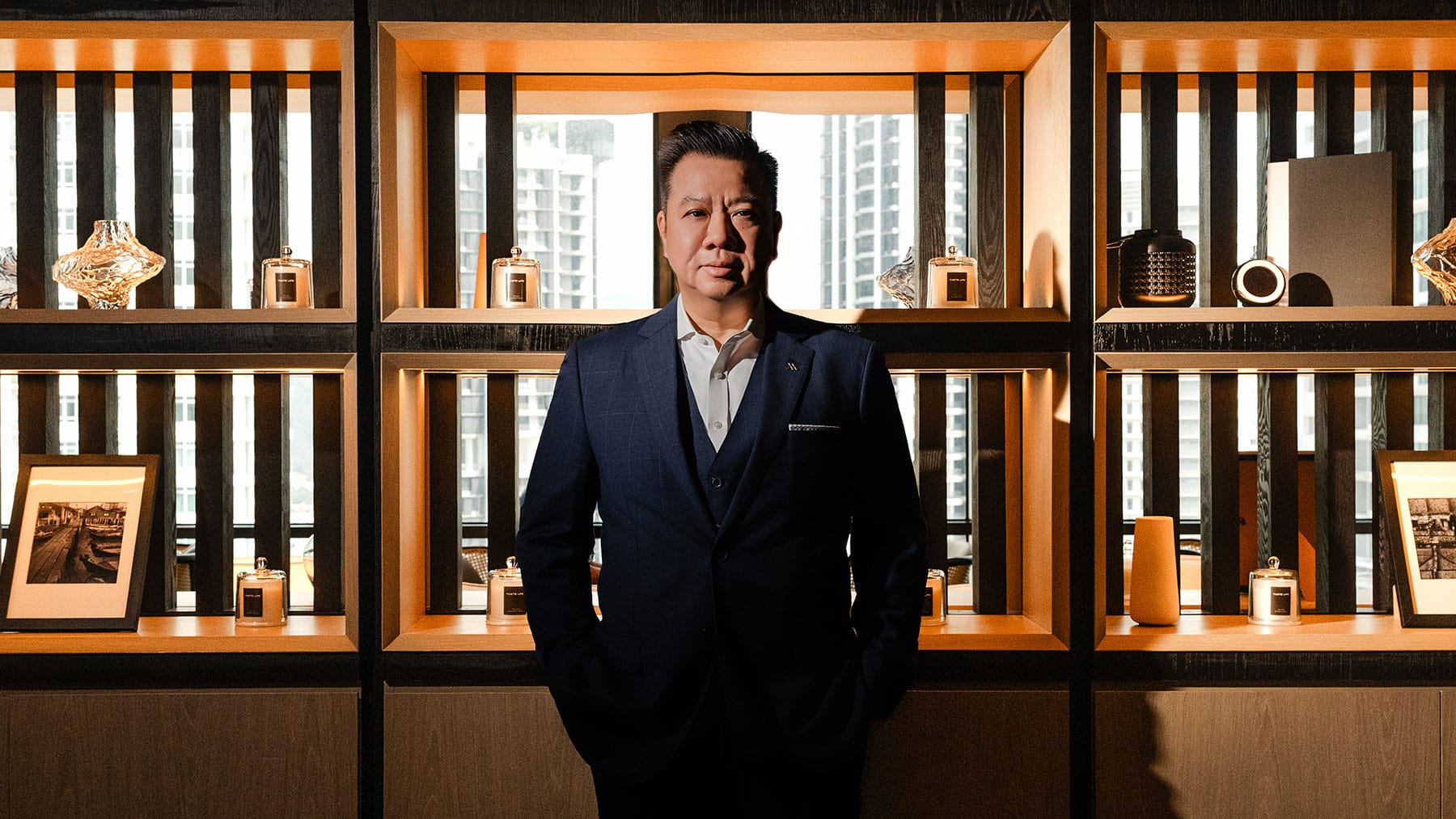
Behind the polished presentation of this series lies a dynamic orchestration of teams across the region. Petr Raba, vice president of food & beverage for Asia Pacific (excluding China) at Marriott International, described the process as managing a regional tapestry of talent and experiences. Rather than dictating menus, the central team encouraged chefs to reinterpret the theme through their own cultural lens. “Each hotel is encouraged to design a distinctive gastronomy journey that blends ancient traditions with modern creativity, integrating elements like design and music,” Raba said. “We believe gastronomy is one of the most powerful ways to foster deeper emotional connection to a destination.”
The sixth stop took place at The St. Regis Jakarta and it was unlike anything I had imagined. The city was not new terrain to me, but I had never seen it through an informed culinary lens. There may be threads of familiarity between Malaysian and Indonesian flavours, but, here, I tasted a narrative distinctly pronounced. The level of intention, research, and sensitivity shown by the culinary team was evident, cooking with technique as much with wisdom from the past. “Jakarta’s cuisine is woven from Betawi traditions, with centuries of trade and cultural exchange,” said Oliver Kreuzer, general manager of The St. Regis Jakarta. “Yet it remains underappreciated on the global gastronomy stage. Dishes such as asinan tuwak, ayam lodho, bubur kampiun, and the nuanced spices found in street-side food are reintroduced in a way that celebrates their depth and heritage.”


Over the course of my visit, the hotel team would teasingly nudge me: “No need to worry about being hungry. We’ve got all the food ready. This is the Luxury Dining Series!” Indeed, the food was in abundance. Chef Almatino Gabriel Ibrata (known simply as chef Tino) made sure each of his dishes told a tale of Indonesia’s archipelago. Seated at a long communal table inside Bel Étage, I caught snippets of admiration from local gourmands, impressed by Tino’s research and the use of ingredients many hadn’t tasted in years. The menu featured dishes such as gaboes poekoeng (snakehead fish) from Betawi; daging serondeng (dried beef) from East Java; oseng sajoer gori (stir-fry young jackfruits) from Central Java; taoege goreng (noodles and bean sprout with spicy fermented oncom sauce) from Bogor; and sop matahari (minced chicken soup with vegetables) from Solo.
Drinks were equally abundant. At The St. Regis Bar, ranked No.22 on Asia’s 50 Best Bars 2025, the signature Violet Hour signalled the transition from day to night. Clad in my evening best, I joined the room humming with toasts of Violet Hour martinis and New York-inspired cocktails. Over at J.J.A restaurant, the evening continued with a Michelin-starred touch from IGNIV Bangkok, led by executive German-born chef Arne Riehn. The Swiss ingredient-focused menu highlighted simplicity and seasonality, featuring small bites of beetroot with goat cheese, and papaya with somtam and somjeed, a black cod mid-course with mountain kombu and miso, and mains of wagyu short rib and cauliflower.


No visit to The St. Regis is complete without indulging in their afternoon tea, which seems to attract locals as much as visitors, even at this Jakarta branch. At The Drawing Room, executive pastry chef Kevin Lee teamed up with Singaporean celebrity pastry chef Janice Wong for a towering ensemble of sweet and savoury creations. It was perhaps the most experimental afternoon tea I’ve ever experienced, as several treats incorporated a spectrum of herbs and spices to reflect the overarching theme. On the savoury side, I couldn’t resist asking for more of the tomato confit, while my sweet favourites were Wong’s signature sunburst citrus and Lee’s beloved mochi.


For a grand finale, the hotel went out with a punch—literally. In collaboration with two other bars ranked among Asia’s 50 Best Bars, the exclusive bar takeover showcased Yasuhiro Kawakubo of Punch Room Tokyo and Giovanni Graziadei of Punch Room Singapore in action. A tribute to The Punch Bowl from Batavia—a distinguished chapter in 17th- and 18th-century cocktail history—the two mixologists presented an array of punch cocktails infused with Indonesian spices.


“Heritage is not static—it’s an evolving part of the culinary narrative that creates emotional resonance, transforming a meal into a story,” Raba reflected. “This series has reinforced my belief that dining, today, is much more than just a meal. Working closely with our chefs and mixologists across the region, I’ve come to appreciate that true innovation often lies in rooting deeply.”
Luxury Dining Series 2025 | St. Regis Jakarta | The Luxury Group by Marriott International
You May Also Like