For Spring/Summer 2026, Brunello Cucinelli’s Unstructured, Sharp and Light Silhouettes Come Fully Into Play
Celebrating the beauty of a patina earned over time.

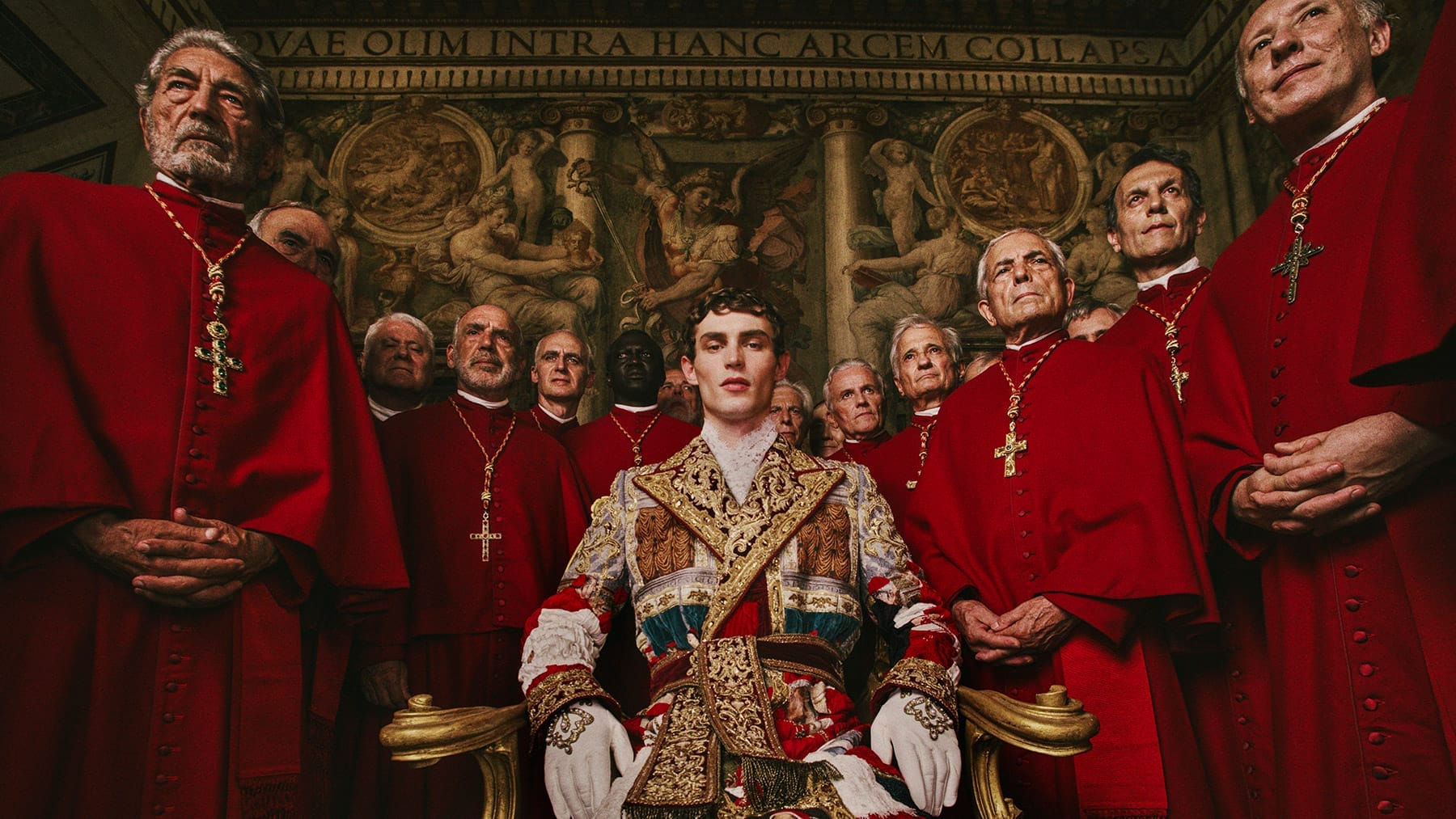
The elevation of craft at Brunello Cucinelli exists in the space between two worlds: the sun-warmed, medieval stone of Solomeo and the razor-sharp, cosmopolitan steel and glass of the brand’s flagship stores across Asia and globally. A dialogue where artisanal heritage is as much a part of the architecture as it is the fabric, resulting in a daily uniform that feels unconfigured yet striking. The perfection of a casual, lived-in elegance that moves as fluidly as the lives of those who wear it.
For Spring/Summer 2026, this shared philosophy manifests as a tactile intelligence, where the feel of a garment is as vital as its drape. The BC Duo Bag represents a definitive move towards accessory architecture, rejecting the trap of a seasonal sell-by date in favour of a dual-compartment utility that feels instinctive. Designed by Camilla and Carolina Cucinelli, the piece is a study in trapezoidal precision, holding its structural integrity while yielding to the touch. It serves as the anchor for a ready-to-wear collection defined by a composed ease—knits possess a deliberate, reassuring weight, while trousers offer a fluid silhouette that refuses to feel restrictive.

Every stitch in the women’s collection is a testament to the house’s obsession with gentle luxury. The cashmere is soft and engineered to breathe, providing a micro-climate of comfort that transitions from a high-altitude flight to a humid evening in Shanghai without losing its shape. The integration of the signature monili embroidery remains subtle—a flicker of light on a lapel or a strap that acts as a quiet signature rather than a loud logo. It is a wardrobe that invites the wearer to disappear into the quality of the material, allowing the person to remain the focal point.

The narrative continues through the menswear offerings. The focus returns to the deconstructed blazer and the perfectly balanced chino—pieces that honour the lineage of Italian tailoring while shedding its rigid formalities. These garments understand that the real power move is in the subtle slub of a natural weave or the way a soft shoulder settles into a personal silhouette over time. Expect cashmere-silk blends that possess a matt, almost powdered finish, and outerwear that utilises technical membranes hidden beneath layers of noble fibres.
This seasonal narrative leans heavily into the tactile intelligence of Sartoria Solomeo, where the construction of a garment is stripped of its interior scaffolding to reveal a pure, sculptural form. By removing the traditional canvas and heavy padding, the tailors allow the fabric to drape naturally against the body, creating a silhouette that is both sharp and light. It is a wardrobe engineered for the individual who demands high-performance versatility that doesn’t sacrifice the poetic imperfection of a hand-finished lapel. Whether it is the soft-shoulder construction that allows for a full range of motion or the reinforced stitching on a utility-inspired overshirt, every element serves a purpose: to provide a sartorial foundation that feels less like a costume and more like a second skin.

Beyond the technical, there is an emotional weight to the collection. The palette—a sophisticated array of toasted umbers, gravel greys, and bleached sands—echoes the landscape of Umbria, yet feels at home in the world’s most modern metropolises. These tones are punctuated by deep bordeaux and forest greens, colours that feel grounded and permanent. These are clothes designed for a life of movement, where a double-breasted coat is as appropriate over a sweatshirt as it is over a crisp shirt.

The New Vintage aesthetic at its peak: items that feel like old friends from the first wear but are built to survive decades of use. In a landscape of fashion created not to last a season, Brunello Cucinelli remains the ultimate style signpost. These are pieces that show off their patina with a wry smile, but with the grace of not deigning to consume all the oxygen in the room.
You May Also Like