Inside The Extraordinary Home Of Rolls-Royce Motor Cars At Goodwood
Since 2003, Rolls-Royce Motor Cars has been assembled at its Goodwood plant in the south of England—alongside ateliers dedicated to crafting the finest interiors possible.

You know that image of the genteel English countryside—manor houses, sprawling estates, tweed jackets and brogue boots, and hunting for pheasant? The one that underpins much of the perception of traditional British luxury? You would almost certainly be thinking of England’s southeastern counties, the ones surrounding London. No surprises, then, that when Rolls-Royce Motor Cars was relaunched in 2003 by the BMW Group, they chose its headquarters to be in West Sussex.
Home of Rolls-Royce


Specifically, Rolls-Royce Motor Cars occupies its own corner of Goodwood Estate—the seat of the Duke of Richmond, a place famous for its 17th-century mansion and for being the venue of that annual automotive destination: the Festival of Speed. The South Downs National Park is a stone’s throw away. Chichester is right next door; it has 30,000 residents and is a proper city, 12th-century cathedral and all. Head southwest towards the coast, and you will encounter West Wittering, a village where a certain Sir Henry Royce lived for the last 16 years of his life. Chichester is where the nearest train station is, though if you were visiting the Goodwood plant, it is more than likely Rolls-Royce would send a car to pick you up. The drive from Heathrow is a theoretical 90 minutes, but you will have to contend with the M25, so two hours is closer to the mark. Past Guildford, and you leave the trunk road behind—and then you are in the land of rolling hills, narrow roads cutting through the brush, passing idyllic hamlets and picturesque villages. It’s a great soft introduction to what you’re about to experience.

The building itself is clean cut, something of a modernist ideal in the way its straightforward, 50,000 sq m geometry seems not to interfere with the surrounding countryside. The full site is 42ac, and it also acts as a refuge for local wildlife—it is home to more than 400,000 trees and plants, as well as the associated local fauna. The roof is eight acres on its own, and itself holds its own greenery, making it the largest living roof in the UK.
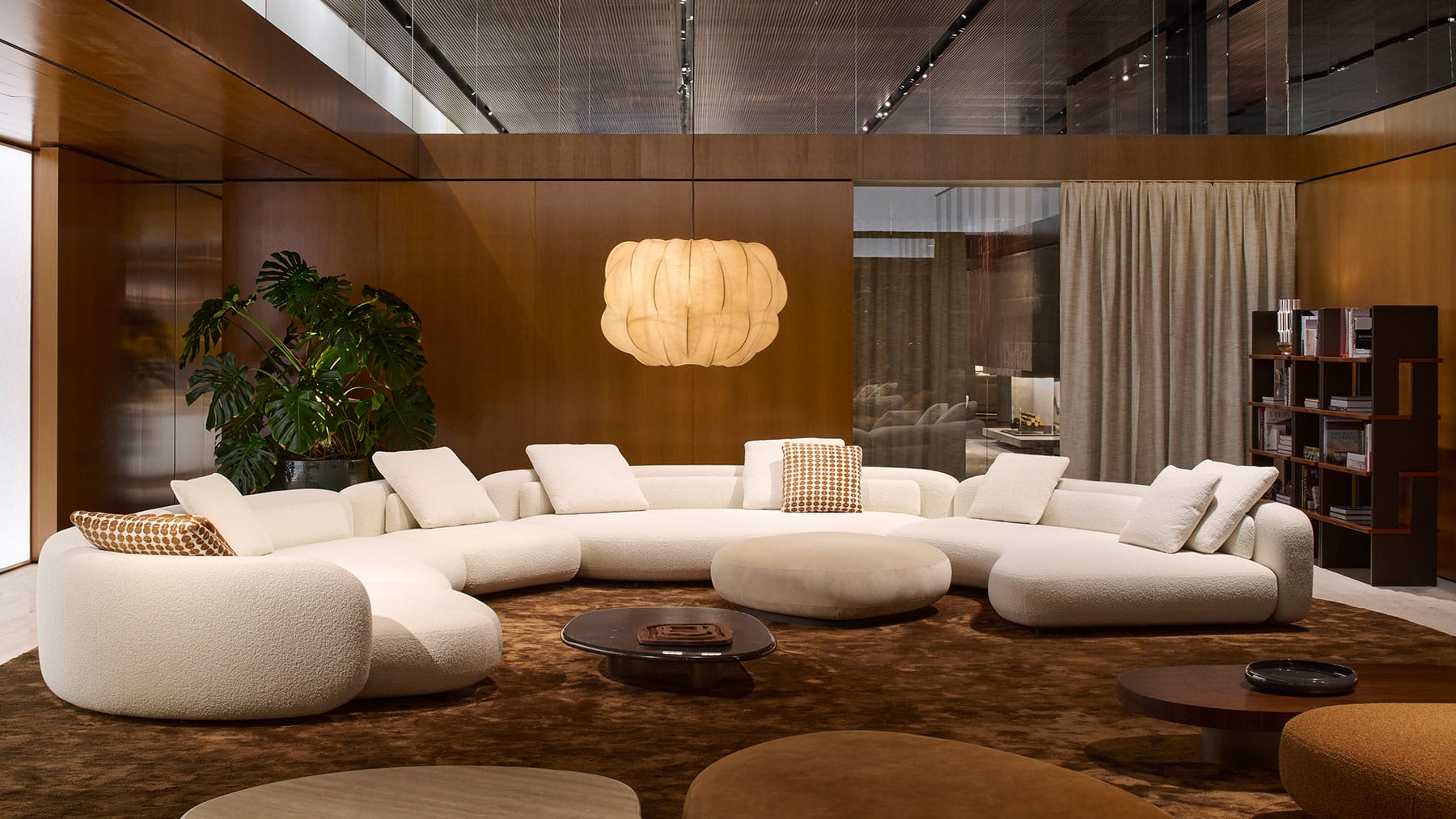
There is a customisation atelier on the ground floor, which is where prospective customers are probably going to spend a lot of time. It is a place of texture and colour, where one can peruse an expansive palette of both exterior and interior materials—Rolls-Royce boasts a choice of 44,000 finishes, and that does not include bespoke colours. A special and rather nifty table lamp can mimic sunlight in different latitudes and conditions, just in case you wanted to see what that particular leather or wood looks like at noon in California or during sunset in Venice.
Private Office Goodwood


Rolls-Royce recommends that the atelier be the last stop on the tour. After all, you didn’t come all the way to Goodwood just to look at samples, and your perception as to exactly what is possible will likely shift once you have seen how things are actually made.
There is a curated sense of laidback refinement to the visitor lounges, but most of it drops away once you reach the assembly area proper. As a consumer-facing brand, Rolls-Royce is among the best in the world at projecting dignified hospitality but, here, where the cars are built, it is all business, and visitors need to stay within the marked areas or risk getting in the way of a forklift. With floor-to-ceiling windows allowing plenty of light to stream in, it is a tightly organised grid that gets more chaotic the closer you look. It takes dozens of personnel more than 600 hours to bring a Rolls-Royce car to life. It is not as noisy as you may think, because these cars are hand-built and, hence, there is not that much in the way of heavy machinery going around.
Exterior Surface Centre


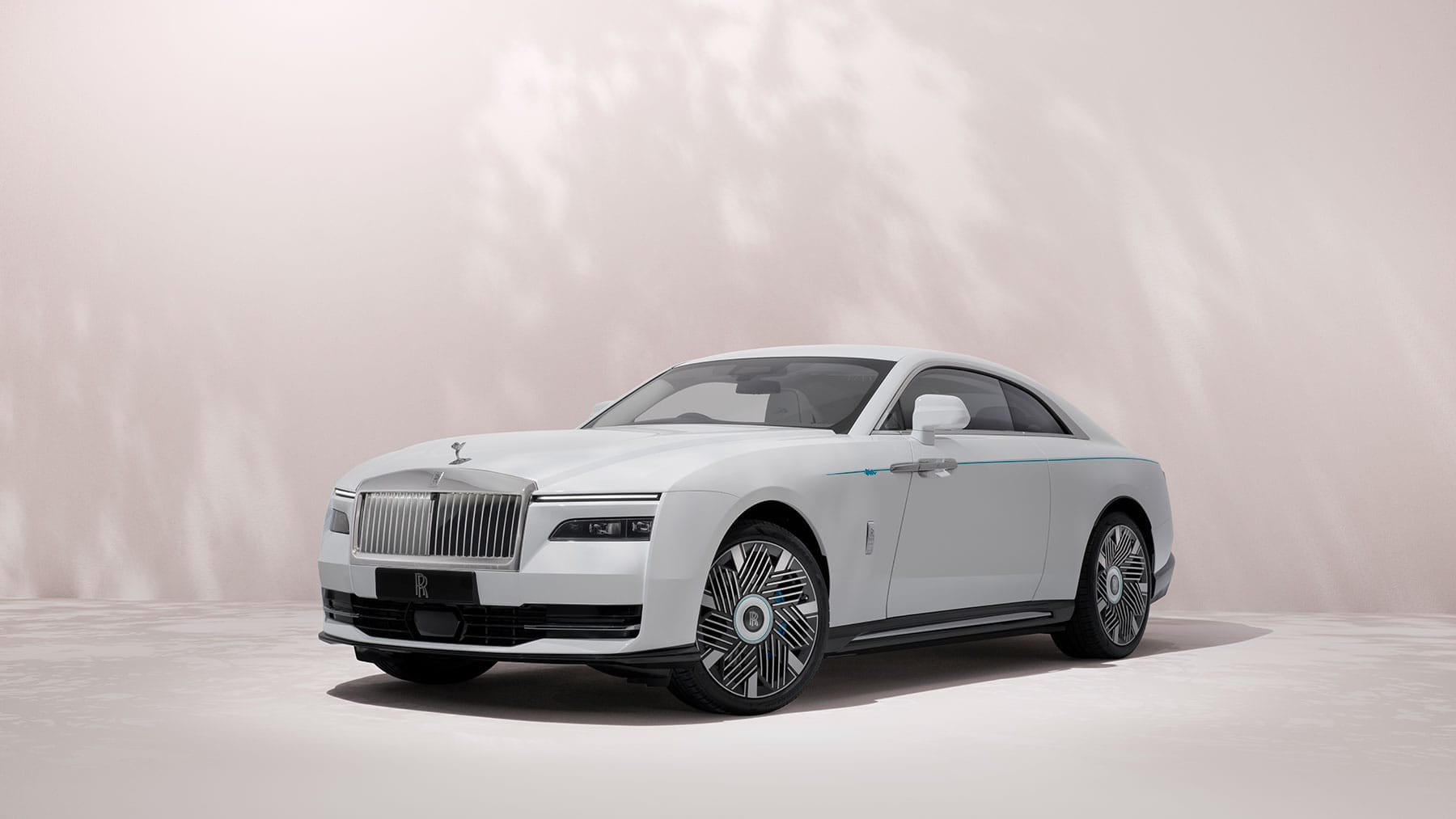
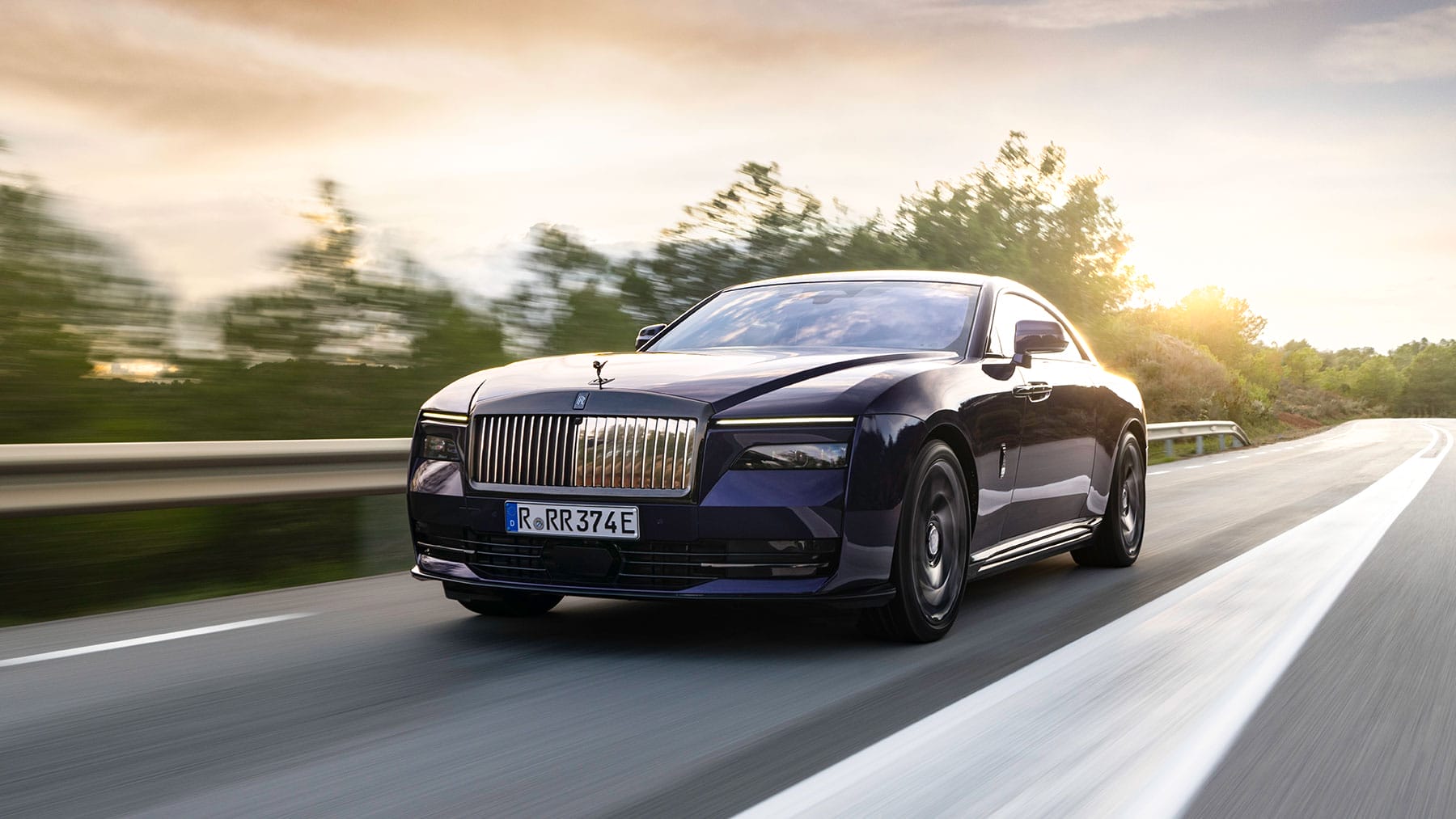
It is vaguely unnerving to see the guts of a Rolls-Royce—this is an automaker that spends so much time wrapping a chassis with layers of refinement, concealing metal wires underneath something far more luxurious. But towards the end of the assembly line, things take a familiar shape—Phantom, Ghost, Cullinan, Spectre, lined up and ready for the final touches and testing. If you’re really lucky, you might spy a Coachbuild masterpiece or two (no pictures, please). It is something of an unintentional mini-exhibition that may supply a burst of inspiration—an unusual colour combination or pattern spotted from the walkways might influence decisions made later at the customisation atelier.
There are certainly a few unique things about the assembly area: you might see a mid-installation Starlight Headliner, with its 800 to 1,600 fibre-optic ‘stars’ taking up to 17 hours to create, for example. Or a Coachline being set up—hand-painted by one of only four people, it needs to be applied in a temperature-controlled environment to ensure it does not run before drying. But, by and large, the way a car is put together is not terribly different from other high-end car manufactures. The real magic of Rolls-Royce is found in the adjacent studios—the Interior Trim Centre and the Interior Surface Centre.
Interior Surface Centre


The latter used to be known as the Woodshop, though evolving demands and the use of materials such as carbon fibre have necessitated the name change. Wood is still central, though, and the department has its own humidor—23 degrees Celcius and 75 per cent humidity—where the veneers of around 30 types of wood are kept for at least three days to acclimatise. The relatively high humidity ensures that the wood is flexible enough to avoid cracking while it is shaped. For a particular cabin, sections of the same tree are used to ensure that all parts age consistently; different segments are matched for appearance, such as grain pattern, to maintain visual harmony throughout. Small imperfections may be cut out and replaced with pieces that match perfectly. Sanding and lacquering are, of course, by hand, and the final quality control is by eye.
Interior Trim Centre


Over in the Interior Trim Centre, the same exacting standards are applied to softer materials—various textiles are an option, but leather is the de facto standard and traditional choice, which is carefully inspected for perfection before being cut.
Needless to say, bespoke is the order of the day, and some of these can be very complex. It might be wood marquetry comprising hundreds of laser-cut and hand-placed pieces, elaborate paintings, or embroideries of objects or symbols of significance. Many of the people working in these departments have diverse, non-motoring backgrounds—furniture-makers, artists, and tattooists, for example, who are experts in their particular craft. The mechanical stuff is left outside—here, it is more about pure artistic interpretation.
When the Goodwood plant opened in 2003, it employed 200 people and could build only one car per day, and that was the Phantom; today, it has about 2,500 staff with about 6,000 cars rolling off the line each year—sedans, SUVs, and electric coupes. And it is only going to get bigger; earlier this year, Rolls-Royce Motor Cars announced a £300 million, 40,000 sq m extension that will house a new exterior finish centre—paint shop, you might say—and allow for increased capacity of its bespoke services. This has been of increasing importance to the brand, having reached record levels of demand in 2024. It is not difficult to imagine why—a visit to Goodwood, the home of Rolls-Royce, reveals just how extraordinary and inspiring the process is, and how much potential it can have for one’s personal expression and satisfaction.
You May Also Like